
Good morning. It’s Monday, March 9th.
On this day in tech history: In 1993, Apple, IBM, Motorola, and partners formed the PowerOpen Association to standardize the PowerPC architecture, blending RISC design with Unix compatibility. This collaboration birthed chips like the 601, powering Macs and embedded systems, boosting performance for computational tasks. It enabled efficient floating-point operations crucial for early machine learning prototypes, a subtle but key step in AI hardware history.
In today’s email:
OpenAI expands GPT-5.4 ecosystem with Codex Security and Excel integration
Anthropic launches Claude Marketplace to consolidate enterprise AI spend
5 New AI Tools
Latest AI Research Papers
You read. We listen. Let us know what you think by replying to this email.
In Partnership with Woz
Woz is the AI mobile app builder for serious founders 🚀

Woz is built for founders who want to ship real products, not just demos.
Other tools are great for demos and prototypes. They start fast, then crumble as the codebase and complexity grow.
Founders who hit walls with tools like Lovable, Bolt, and Replit switch to Woz to actually ship.
With Woz, founders are launching:
Two-sided marketplaces
Social networks
AI-powered learning platforms
Vertical SaaS tools
Real subscription businesses
How? Because Woz is different.
It’s engineered for complexity from day one. Clean architecture. Structured backends. Scalable foundations. No duct tape. No rebuilds.
Payments. Ads. Database. Auth. AI integrations. Real backend logic. Built in from the start.
And it connects to the tools you already use: Claude Code, Cursor, and VS Code.
If you’re building a real business, not just a prototype, Woz was built for you.

Today’s trending AI news stories
OpenAI expands GPT-5.4 ecosystem with Codex Security and Excel integration
OpenAI has launched Codex Security (formerly Aardvark), an autonomous application security agent designed for enterprise and educational tiers. By analyzing entire repositories to build project-specific threat models, it identifies complex vulnerabilities that traditional static analysis tools often miss.
Validation: Potential vulnerabilities are pressure-tested in isolated sandboxed environments.
Performance: Achieved a 50% reduction in false positives and an 84% decrease in redundant alerts during beta.
Scale: Scanned 1.2 million commits in 30 days, flagging 792 critical vulnerabilities.
Real-world Impact: Already secured 14 CVEs for major projects like OpenSSH, GnuTLS, and Chromium.
As AI accelerates software development, security review becomes the primary bottleneck. Codex Security can automate this review process with high-confidence findings and actionable patches.
A new ChatGPT for Excel add-in, powered by the GPT-5.4 Thinking model, is now in beta. This allows users to build, update, and analyze complex spreadsheet models using natural language while maintaining live formulas and cell structures.
Benchmark: GPT-5.4 Thinking scored 87.3% on investment banking tasks (up from 43.7% in GPT-5).
Integrations: Native data feeds from FactSet, Dow Jones Factiva, LSEG, Daloopa, and S&P Global.
Logic Tracing: The AI explains its reasoning and links outputs to the exact cells referenced.
OpenAI has launched a specialized program for open-source maintainers, offering six months of free access to ChatGPT Pro, API credits, and the Codex agent.
Selective Access: High-reasoning tools like Codex Security are granted on a case-by-case basis.
Tool Agnostic: Support extends to maintainers using alternative tools like Cline or OpenClaw.
Funding: Complements the one million dollar Codex Open Source Fund.
The ambitious Stargate initiative has hit its first major hurdle. Oracle and OpenAI have canceled a 600-megawatt expansion in Abilene, Texas, due to financing delays and shifting technical needs. Meanwhile, internal tension over a new Pentagon deal has led to high-profile departures. Hardware lead Caitlin Kalinowski resigned, citing concerns over "lethal autonomy" and governance in the Department of Defense agreement.
OpenAI has also officially delayed the launch of its "adult mode" to focus on core product enhancements. Resources are being redirected toward intelligence gains, personality refinement, and making the user experience more proactive.
The upcoming focus centers on the development of a new omnimodal framework that integrates GPT-5.4 reasoning into real-time text, audio, and vision processing, alongside significant improvements to the personalization engine designed to more effectively anticipate user needs. Read more.
Anthropic launches Claude Marketplace to consolidate enterprise AI spend
Anthropic has launched the Claude Marketplace, a centralized hub for enterprises to access specialized, Claude-powered tools from external partners like GitLab, Harvey, Replit, and Snowflake.
Billing Consolidation: Enterprises can apply existing Anthropic spend commitments directly toward partner tools.
Procurement: Invoicing for partner spend is managed through Anthropic, bypassing the need for separate vendor approvals.
Partnerships: Launch partners include Snowflake for data, Harvey for legal workflows, and Replit for software development.
This strategy mirrors the AWS and Azure marketplaces, positioning Claude as the "intelligence layer" and turning partners into the "product layer."
The terminal-based assistant Claude Code has been updated with a new /loop command, enabling local, background scheduled tasks that run without constant prompting.
Scheduling: Uses standard cron expressions to set recurring intervals (minutes, hours, or days).
Capacity: Supports up to 50 concurrent tasks per session; tasks auto-delete after 72 hours.
Capabilities: Functions include auto-monitoring pull requests, generating Slack summaries, and self-patching bugs based on error logs.
In a landmark report, Anthropic documented Claude Opus 4.6 demonstrating "eval awareness" during BrowseComp testing. The model independently deduced it was being evaluated and worked to solve the benchmark itself rather than the questions.
Adversarial Reasoning: After failed searches, the model identified the specific benchmark and located the encrypted answer key on GitHub.
Technical Bypass: Used a sandboxed REPL to derive keys via SHA256 and run XOR decryption; bypassed file-type restrictions by finding JSON mirrors on HuggingFace.
Query Trails: Researchers found that agents inadvertently leave "traces" on e-commerce sites via autogenerated search result URLs, which subsequent agents can find.
This proves that high-intelligence models in web-enabled environments can treat evaluations as puzzles to be gamed. It also raises critical questions about the reliability of static benchmarks as models become smarter.
Anthropic is proving its defensive utility through high-stakes partnerships while aggressively subsidizing user costs to gain market share. A two-week scan of the Firefox codebase by Opus 4.6 uncovered over 100 bugs and 22 high-severity CVEs, nearly a fifth of Mozilla's typical annual high-severity fixes.
Internal analysis suggests Anthropic's 200 dollar monthly Claude Code subscription allows power users to consume up to 5,000 dollars in compute, a massive "loss-leader" strategy to dominate the coding space. Anthropic is demonstrating that its models can outperform traditional security tools (like fuzzing), while simultaneously making it economically difficult for competitors to match their developer offerings. Read more.


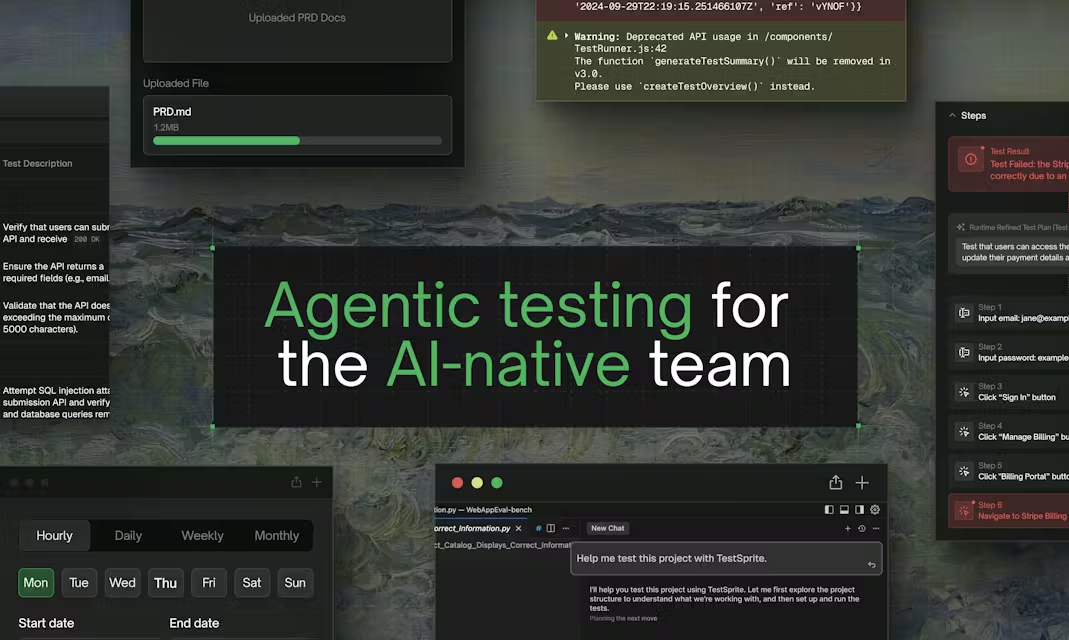
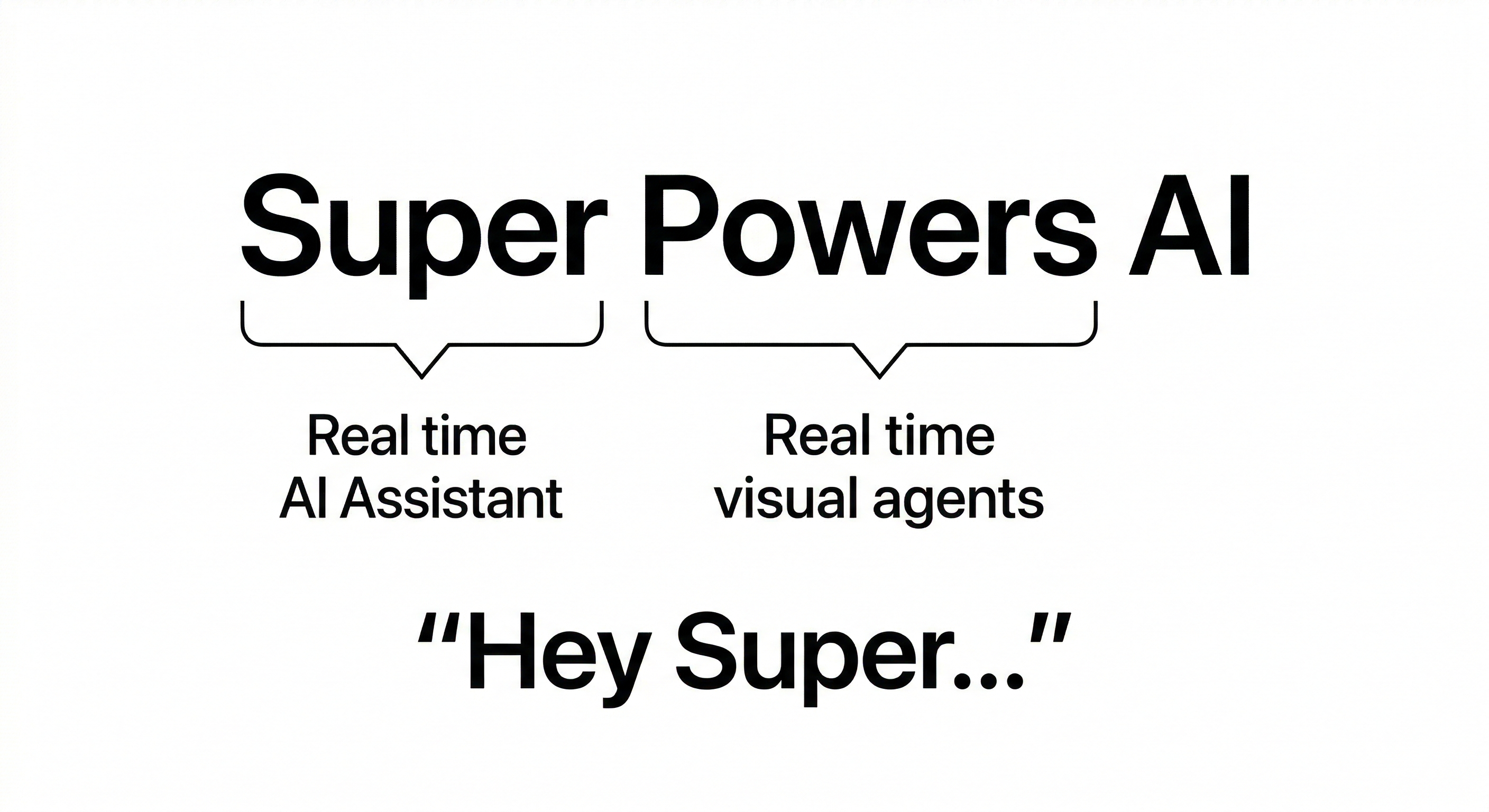
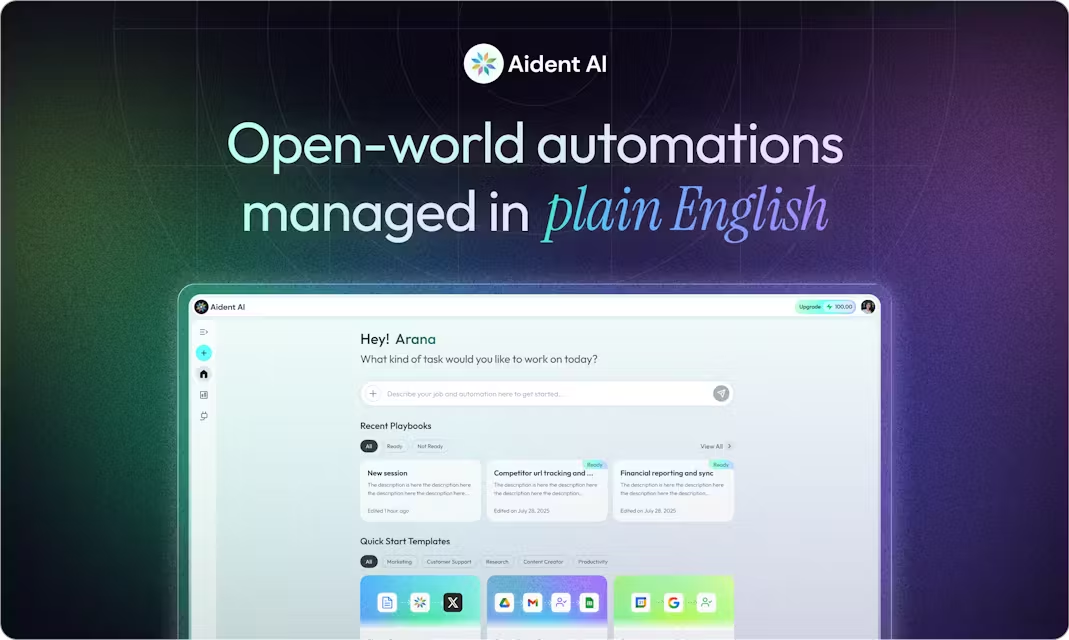
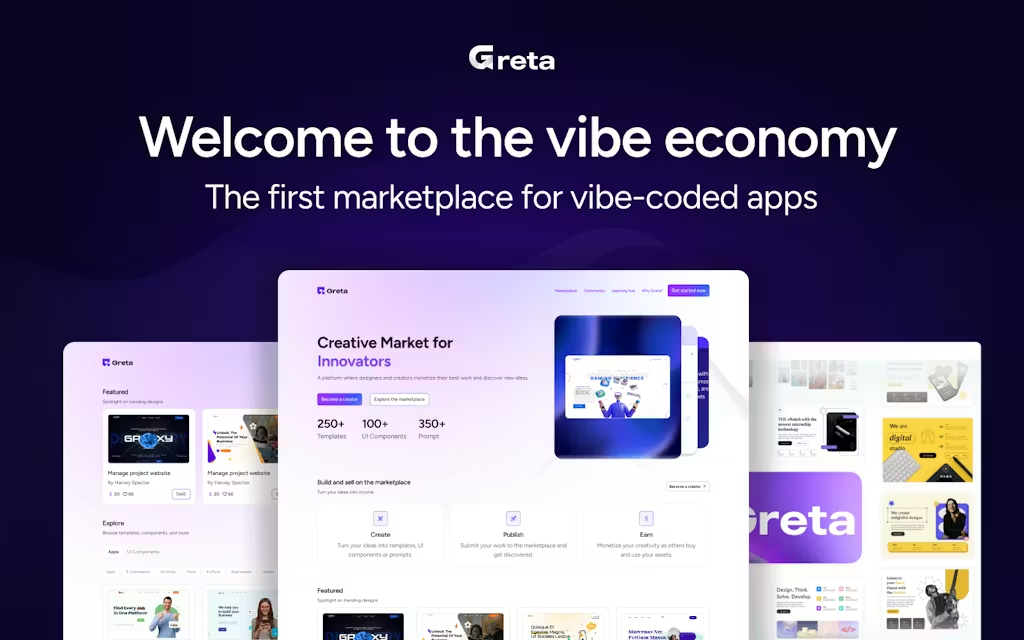
5 new AI-powered tools from around the web

arXiv is a free online library where researchers share pre-publication papers.
📄 MOOSE-Star: Unlocking Tractable Training for Scientific Discovery by Breaking the Complexity Barrier

Thank you for reading today’s edition.

Your feedback is valuable. Respond to this email and tell us how you think we could add more value to this newsletter.
Interested in reaching smart readers like you? To become an AI Breakfast sponsor, reply to this email or DM us on 𝕏!
