
In partnership with

Good morning. It’s Wednesday, March 11th.
On this day in tech history: In 2009, Foursquare launched its location-based check-in app at SXSW, harnessing crowdsourced data for personalized recommendations, a proto-AI social graph. This milestone in geospatial tech enabled machine learning on user behaviors, influencing algorithms in apps like Uber and Google Maps. Its "mayor" badges gamified data collection, feeding early recommender systems that evolved into today's AI-powered hyper-local targeting and predictive analytics in urban computing.
In today’s email:
Gemini Embedding 2 brings text, video, and audio together
Anthropic’s Code Review for Claude Code arrives to fix the $2.5 billion developer bottleneck
5 New AI Tools
Latest AI Research Papers
You read. We listen. Let us know what you think by replying to this email.
AI Agents Are Reading Your Docs. Are You Ready?

Last month, 48% of visitors to documentation sites across Mintlify were AI agents—not humans.
Claude Code, Cursor, and other coding agents are becoming the actual customers reading your docs. And they read everything.
This changes what good documentation means. Humans skim and forgive gaps. Agents methodically check every endpoint, read every guide, and compare you against alternatives with zero fatigue.
Your docs aren't just helping users anymore—they're your product's first interview with the machines deciding whether to recommend you.
That means:
→ Clear schema markup so agents can parse your content
→ Real benchmarks, not marketing fluff
→ Open endpoints agents can actually test
→ Honest comparisons that emphasize strengths without hype
In the agentic world, documentation becomes 10x more important. Companies that make their products machine-understandable will win distribution through AI.

Today’s trending AI news stories
Gemini Embedding 2 brings text, video, and audio together
Google is rolling out expanded Gemini capabilities for Docs, Sheets, Slides, and Drive to AI Ultra and Pro subscribers. This isn't just about drafting emails; it's about context-aware creation.
Docs & Slides: Create full drafts or design-aligned presentations using your own files, calendars, and web data as reference templates.
Sheets: A new Fill with Gemini tool populates missing fields using web data, while automated tools can build entire dashboards from a single prompt.
Drive: The Ask Gemini system now performs cross-file analysis, providing answers and summaries with direct citations across your document library.
The technical engine: Gemini Embedding 2
Google DeepMind released its first natively multimodal embedding model. This is the "brain" that allows AI to understand different types of media in the same way.
Multimodal inputs: Maps text, images, video (up to 120 seconds), and audio into one shared space.
Technical specs: Supports 8,192 text tokens and PDF documents up to six pages.
Efficiency: Uses Matryoshka Representation Learning to compress embeddings from 3,072 dimensions to 1,536 or 768 without losing significant performance.
This allows developers to build search tools that can "find the moment in a video that matches this text description" or "find a document that feels like this image."
Agents in the field
Google is piloting a multi-agent planning mode for Gemini Business while simultaneously providing the Pentagon with unclassified AI agents.
This coordination layer identifies the best AI sub-agent for a task, sequences the workflow, and presents a delegation plan for human approval.
Roughly three million personnel will use Gemini for budget drafting, meeting summaries, and compliance checks against national defense guidelines.
Energy infrastructure and Gemma 4
In a rare move, Google and Tesla are uniting with a coalition to address electricity grid capacity. By using advanced analytics and demand-response programs, they aim to tap into idle grid resources to lower costs for everyone.
Meanwhile, a GitHub pull request from a Google bot suggests that Gemma 4, the next generation of Google's open-model family, is already in the pipeline.
User control
Responding to feedback about accuracy, Google is adding a toggle to Google Photos. Users can now choose between the AI-powered Ask Photos search and the classic manual search. Read more.
Anthropic’s Code Review for Claude Code arrives to fix the $2.5 billion developer bottleneck
Anthropic has launched Code Review for Claude Code, a multi-agent system designed to manage the surge of AI-generated pull requests. This tool addresses the growing friction in "vibe coding," where developers use natural language to generate massive volumes of code, often overwhelming human reviewers.
Multi-agent architecture: Specialized agents analyze codebases in parallel, examining logic, security, and performance from distinct dimensions.
Functional prioritization: A final aggregator agent filters findings, using a color-coded hierarchy to highlight critical logical errors over minor stylistic preferences.
The service integrates directly with GitHub and costs approximately $15 to $25 per review based on token usage, targeting high-scale users like Uber and Salesforce.
As AI-generated code output per engineer reportedly increases by 200%, the bottleneck shifts from writing to verifying.
Microsoft embeds Claude into the 365 ecosystem
In a landmark deal, Microsoft is integrating Anthropic’s technology into Microsoft 365 Copilot through a new feature called Copilot Cowork. This marks the first time a non-OpenAI model has been embedded directly into the core Office suite for agentic tasks.
Built on the tech powering Claude Cowork, it allows users to delegate multi-step, long-running tasks across documents, emails, and spreadsheets.
These agents operate within Microsoft’s existing security and data protection frameworks (OneDrive/SharePoint), managed via the new Agent 365 control plane.
Great Docs Drive Real Revenue

Your documentation is the first thing developers evaluate before adopting your product. Mintlify helps you ship docs that accelerate adoption, reduce support load, and convert users into customers.


5 new AI-powered tools from around the web
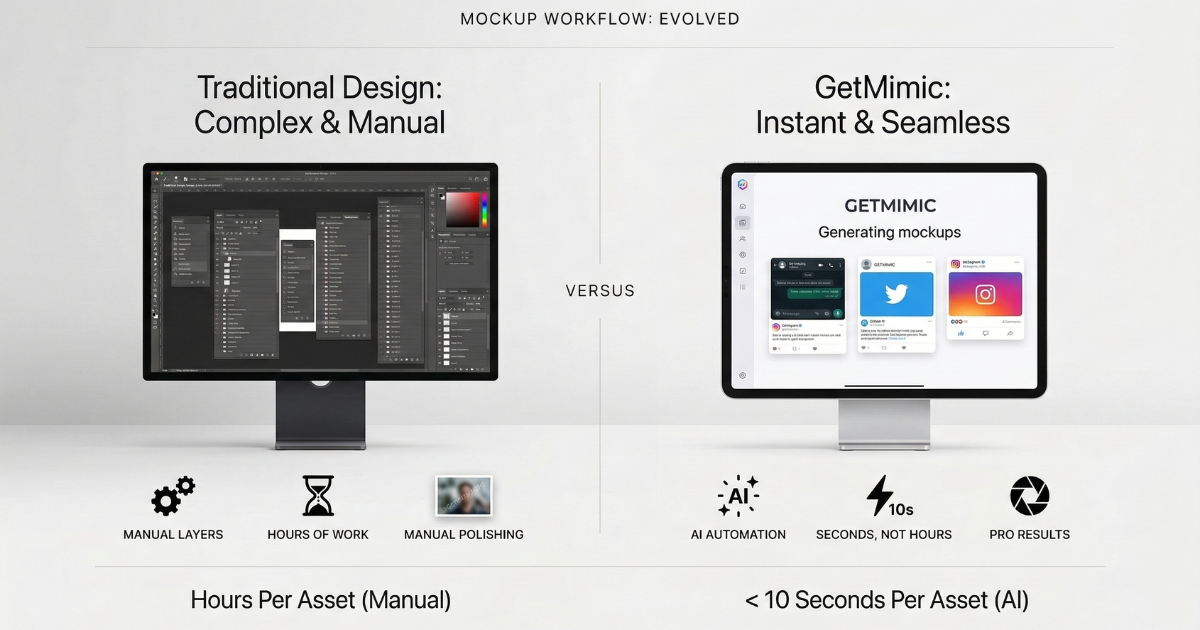

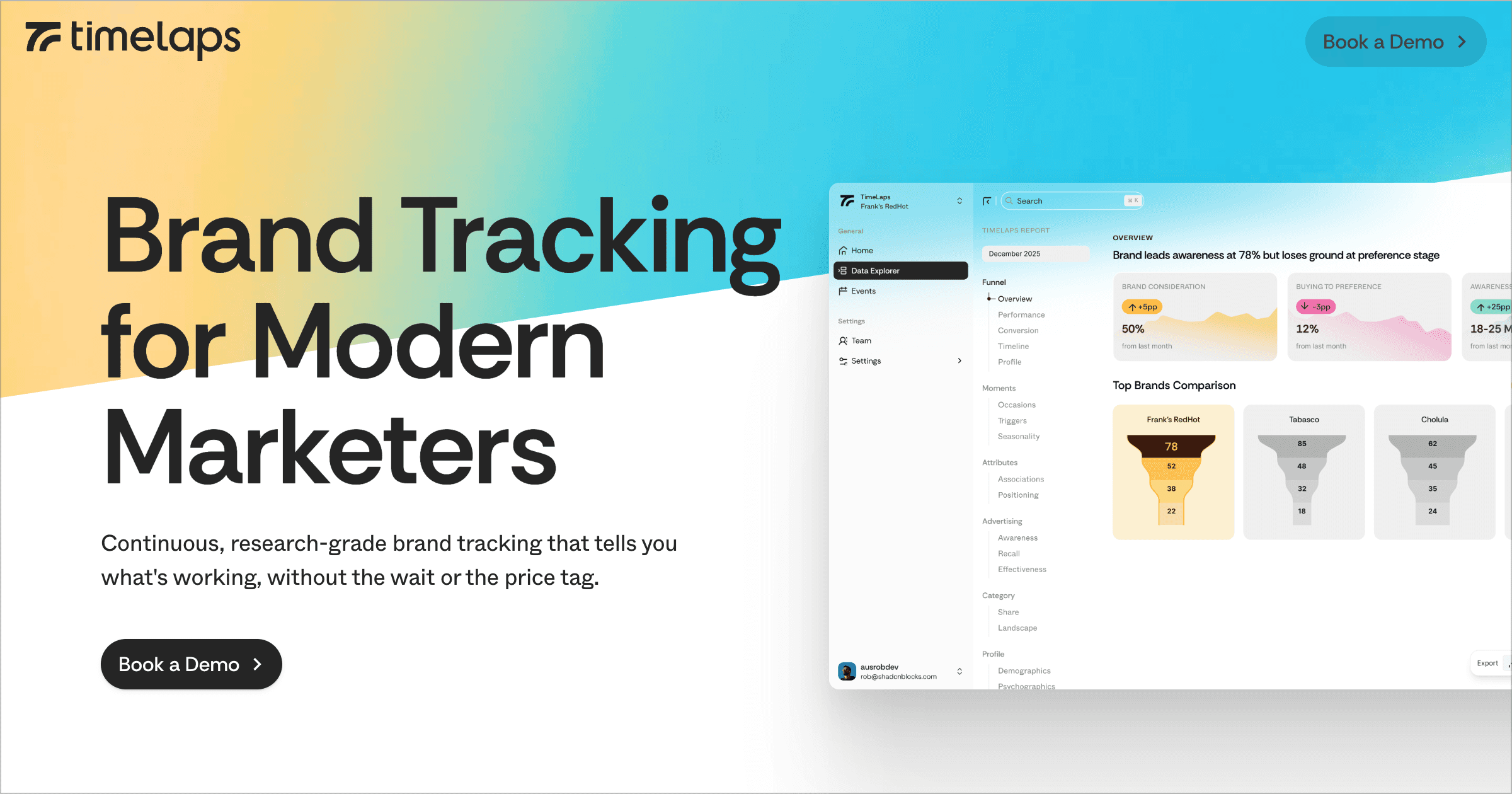
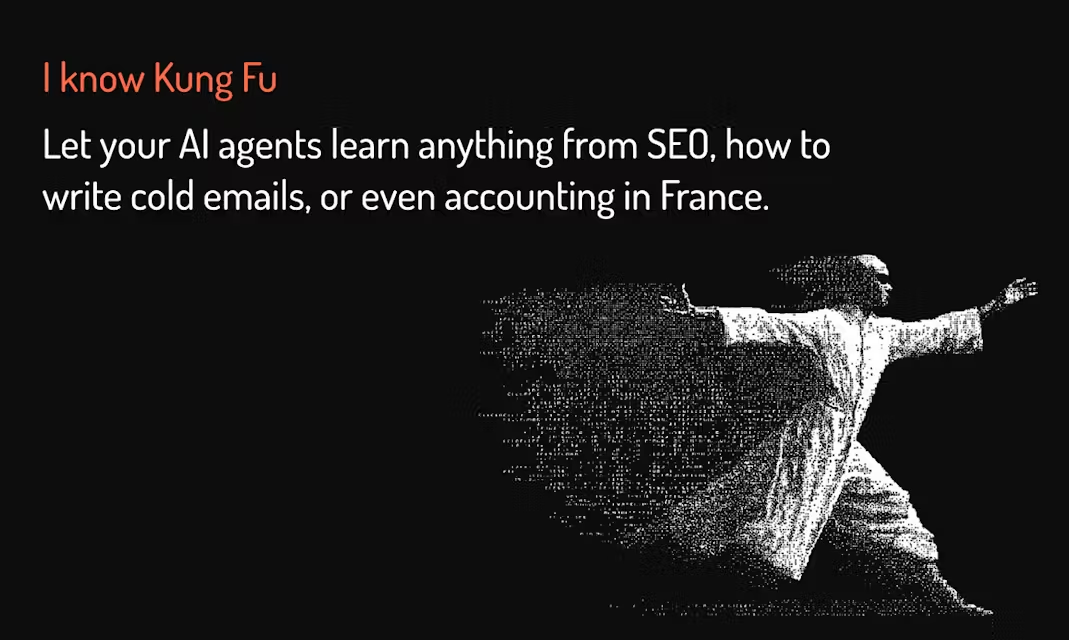


arXiv is a free online library where researchers share pre-publication papers.

Thank you for reading today’s edition.

Your feedback is valuable. Respond to this email and tell us how you think we could add more value to this newsletter.
Interested in reaching smart readers like you? To become an AI Breakfast sponsor, reply to this email or DM us on 𝕏!
